

LEATHERMAN
Built From a Breakdown
How a beat-up car and a stubborn idea led to America’s most trusted multi-tool
Tools | 6 Min Read
Photo: Leatherman
Every tool begins as a problem that refuses to stay unsolved.
The car didn’t fail all at once. It unraveled in pieces—loose bolts, slipping components, small mechanical issues that appeared without warning and refused to resolve themselves. Each one was manageable in isolation, but only if you had the means to address it when it happened.
Traveling through Europe in the mid-1970s, far from home and working with limited resources, those moments carried weight. A minor repair could determine whether the day continued or ended on the side of the road. The difference wasn’t knowledge or effort—it was whether the right tool was within reach at the right time.
Persistence & Process
Solving for Failure, One Version at a Time
Early prototypes revealed how difficult it was to combine strength and compactness. Joints loosened under pressure, tools interfered with one another, and durability suffered when the design was pushed beyond ideal conditions. Each attempt exposed new weaknesses that hadn’t been obvious at the start.
Progress came through repetition. Materials were strengthened, tolerances tightened, and internal layouts adjusted so that each component could function without compromising the others. There was no single breakthrough—only a steady process of eliminating failure points.
Outside the workshop, resistance came in a different form. Manufacturers struggled to categorize the tool and hesitated to take it on. Rejection became part of the process, reinforcing the need to continue refining both the design and the conviction behind it.
How It’s Made
Precision, Repeated at Scale
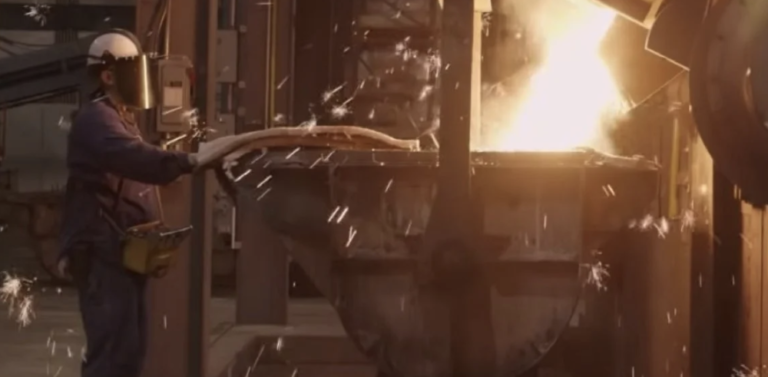
In Portland, Oregon, the manufacturing process reflects the demands of the tool itself. Each component must align precisely, not just to function, but to endure repeated use under pressure. Small inconsistencies can lead to failure, making precision a requirement rather than an advantage.
The process includes stamping, machining, heat treating, and assembly. Each step builds on the last, with workers monitoring tolerances and making adjustments where needed. The goal is not just to produce a tool, but to produce one that behaves consistently over time.
Keeping production close allows for a tighter connection between design and execution. Changes can be implemented quickly, and issues can be addressed before they scale.
Trust Earned Through Use
Carried for the Moment It’s Needed
A tool reveals its value when something stops working. In those moments—a loose fastener, a broken component, a quick repair needed before things get worse—the difference between having a tool and not having one becomes immediate.
Leatherman tools are used across a range of environments where reliability isn’t optional. They are carried not because they are always used, but because they might be needed without warning. That uncertainty defines their purpose.
Over time, trust builds gradually. Not through claims, but through repeated use in situations where failure would have consequences.
Company Snapshot
Company: Leatherman Tool Group
Founded: 1983
Founder: Tim Leatherman
Headquarters: Portland, Oregon
Manufacturing: Portland, Oregon, USA
What They Make: Multi-tools, knives, and related gear
Known For: Durable multi-tools designed for practical everyday use
Signature Product: Pocket Survival Tool / Leatherman multi-tool
Website: leatherman.com
Social: Instagram · YouTube · Facebook
We may earn a commission from purchases made through the links below.
Featured American-Made Gear
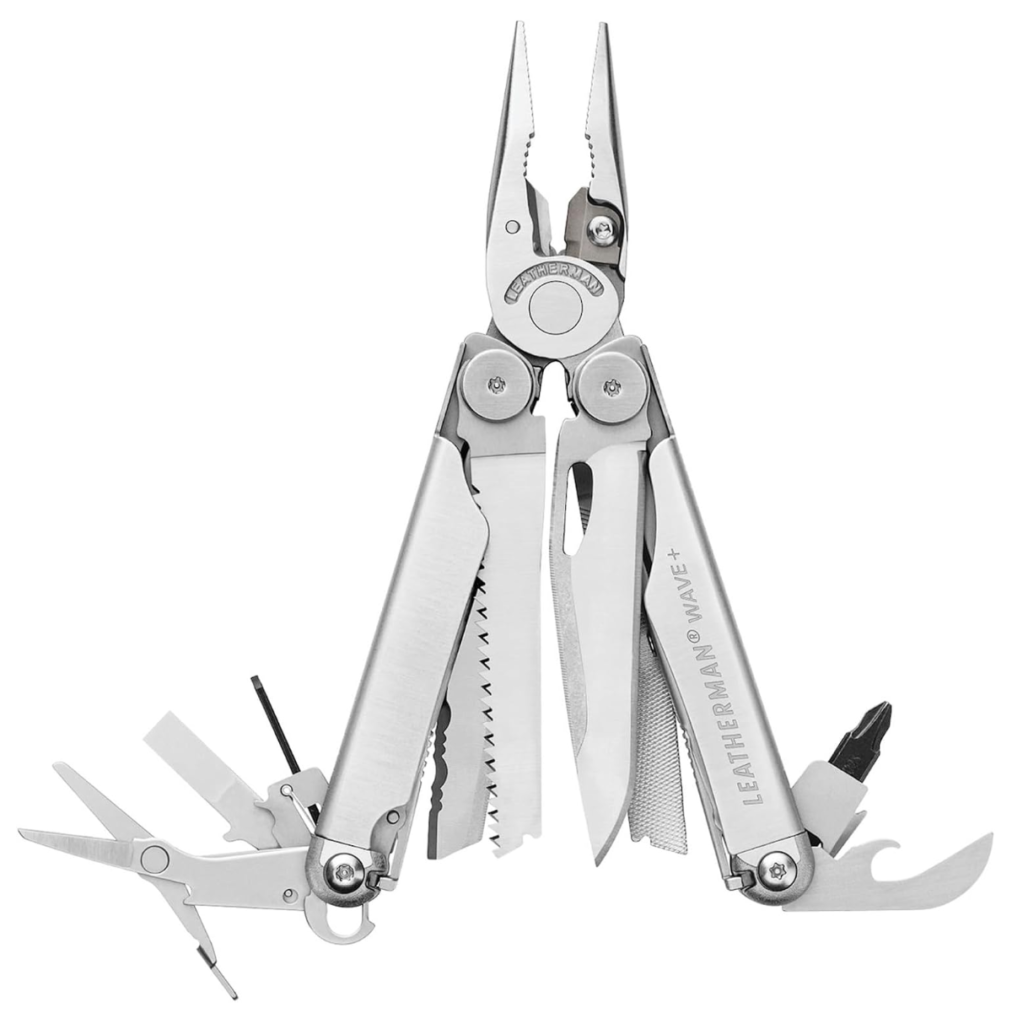
Photo Credit: Leatherman
Leatherman Wave+
A best-selling, all-purpose multi-tool built in Portland, Oregon, combining essential tools into a durable, everyday carry for DIY projects, outdoor use, and daily repairs.
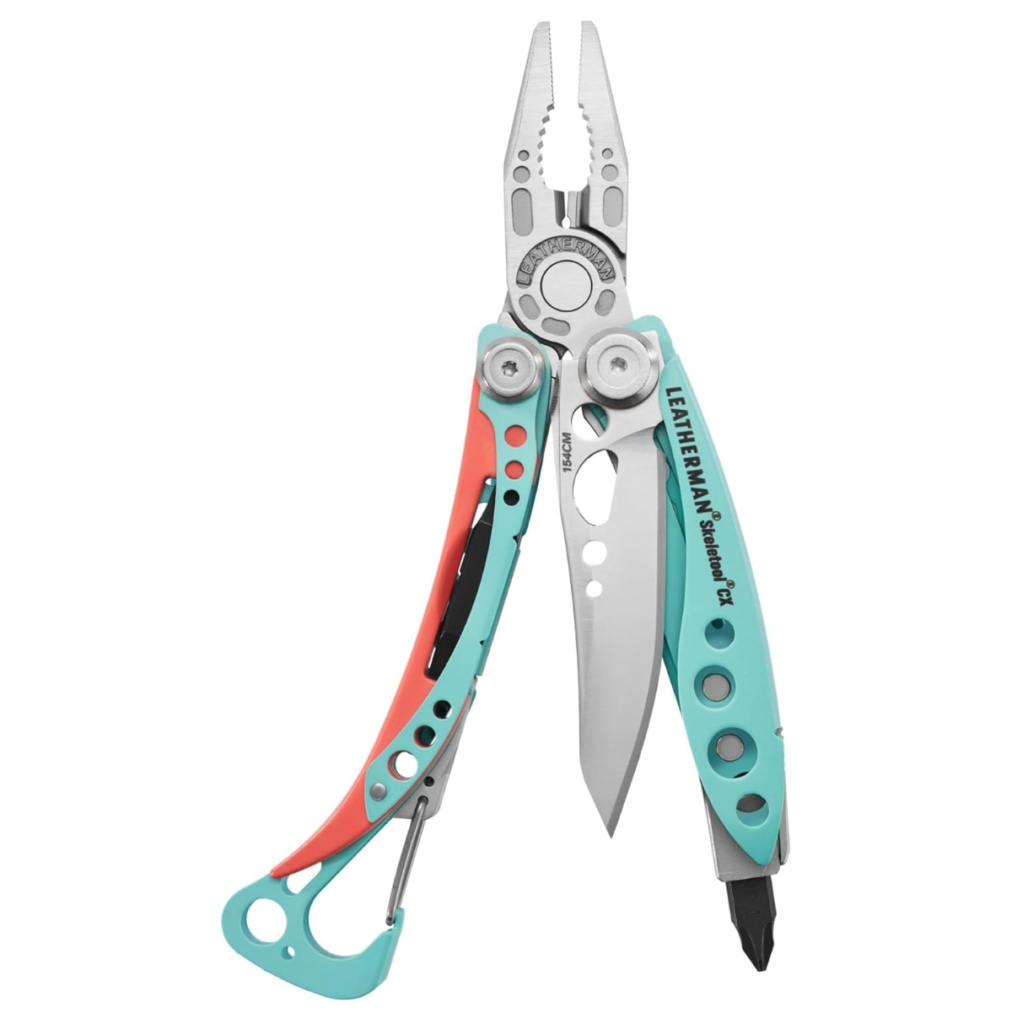
Photo Credit: Leatherman
Leatherman Skeletool CX
A compact, 19-in-1 multi-tool built in Portland, Oregon, designed to handle everyday fixes and unexpected problems with extremely durable, long-lasting performance.
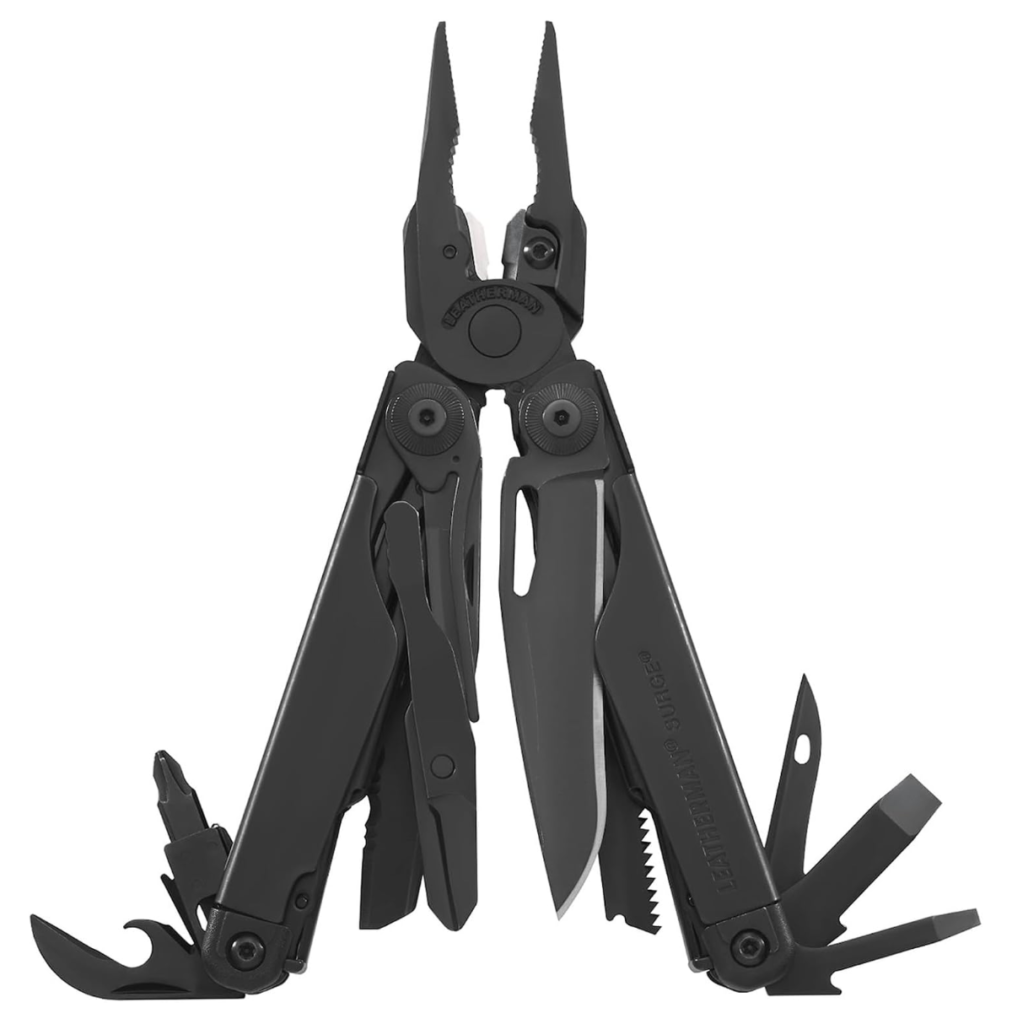
Photo Credit: Leatherman
Leatherman Surge
A heavy-duty, full-size multi-tool built in Portland, Oregon, designed for demanding jobs with larger tools, greater strength, and long-term durability.
Reflection
ReflecReadiness Over Perfection
A tool like this is not designed for ideal conditions. It exists for the moments when something goes wrong and needs to be addressed immediately. Its value lies not in doing everything perfectly, but in doing enough, reliably, when it matters.
That idea reshapes how problems are approached. Instead of waiting for the right circumstances or the perfect solution, action becomes possible in the moment. Small issues can be resolved before they expand into larger ones.
In that way, the tool becomes less about function and more about readiness—the ability to respond without delay.
Read More American Made Stories
-
Red Wing: The Boot on the Beam
Some things are built to wear in, not wear out. The ground gives nothing back in winter. It stiffens leather, seeps through seams, and turns every step into something you feel by the end of the day. Out there, a boot isn’t an accessory. It’s the difference between finishing the work or stopping early. Before…
-
Lodge Cast Iron: Cast in Continuation
Some things are made to last because the people who make them choose not to stop. The skillet doesn’t change much once it’s made. It holds heat, distributes it slowly, and responds the same way each time it’s used. What changes is everything around it—the ingredients, the hands that lift it, the kitchens it passes…
-
Darn Tough Vermont: The End Is Included
A promise means more when failure is expected and still fully accepted. The socks were failing somewhere between departure and return, though it took time to understand exactly where. On long backpacking trips through Europe in the late 1970s, they would wear thin faster than expected, softening, slipping, and eventually breaking down under miles of…


Get More American Made Stories in Your Inbox
Occasional stories about American makers, products, and the people behind them. No spam, just good stories.