

Darn Tough Vermont
The End Is Included
A Vermont sock company builds its reputation on products that rarely fail—and a promise that stands behind them when they do.
Apparel & Footwear | 5 Min Read
Photo: Ali Kazal
A promise means more when failure is expected and still fully accepted.
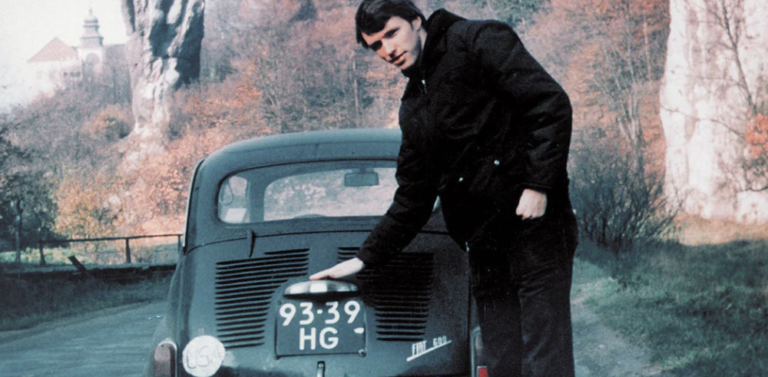
The socks were failing somewhere between departure and return, though it took time to understand exactly where. On long backpacking trips through Europe in the late 1970s, they would wear thin faster than expected, softening, slipping, and eventually breaking down under miles of walking. It wasn’t dramatic failure—no sudden tear, no single moment—but something quieter and more frustrating. A slow erosion of trust in something meant to be relied upon.
When you carry everything you own on your back, even small failures compound into larger problems. A worn sock becomes a blister, a blister becomes a decision about how far you can go, and that decision reshapes the entire trip. It was the kind of problem that didn’t present itself as an opportunity, but as an irritation that refused to stay small.
Persistence & Process
Improving What Most People Ignored
The early work did not begin with a breakthrough. It began with repetition. Small batches of socks were produced, tested, adjusted, and produced again. Materials were swapped, knitting techniques reconsidered, and expectations reset each time a pair came back worn or stretched beyond usefulness.
Skepticism was constant. Socks were widely seen as disposable—interchangeable, inexpensive, and not worth significant attention. Building something better meant working against that assumption, proving not just that improvement was possible, but that it mattered.
Progress came slowly. Reinforcing high-wear areas, refining fit so it stayed consistent throughout the day, and selecting materials that could endure repeated stress without losing shape. Each change was small on its own, but together they formed something more durable than expected.
How It’s Made
Knitted Close to Home
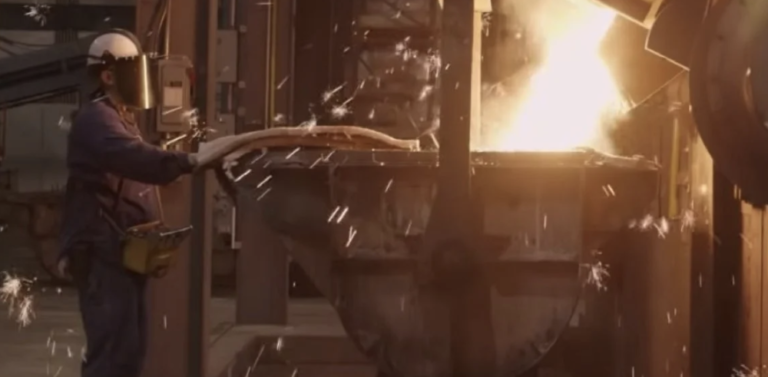
In Northfield, Vermont, the factory floor operates with steady precision. Rows of knitting machines produce socks in continuous cycles of yarn, tension, and pattern. Workers monitor each stage closely, making adjustments that can affect fit, durability, and long-term performance.
Materials are selected for balance. Merino wool provides softness and moisture management while maintaining strength over time. Synthetic fibers are blended in to reinforce areas that experience the most stress, creating a product that is both comfortable and resilient.
Keeping production centralized allows for a tighter connection between design and outcome. When something needs to improve, the feedback loop remains short and direct.
Trust Earned Through Use
Proven Over Time, Not Claimed
The value of the product is not established in controlled environments, but in repeated use. Hikers, workers, and everyday wearers subject the socks to friction, moisture, and constant movement. They are worn without special care, expected to perform without attention.
Over time, patterns emerge. A pair that lasts through multiple seasons. Another that holds its shape after years of regular use. The absence of failure becomes noticeable—not because the product is indestructible, but because it consistently outlasts expectations.
Trust is built gradually. Each use reinforces the last, creating confidence not through promises, but through experience.
We may earn a commission from purchases made through the links below.
Featured American-Made Gear
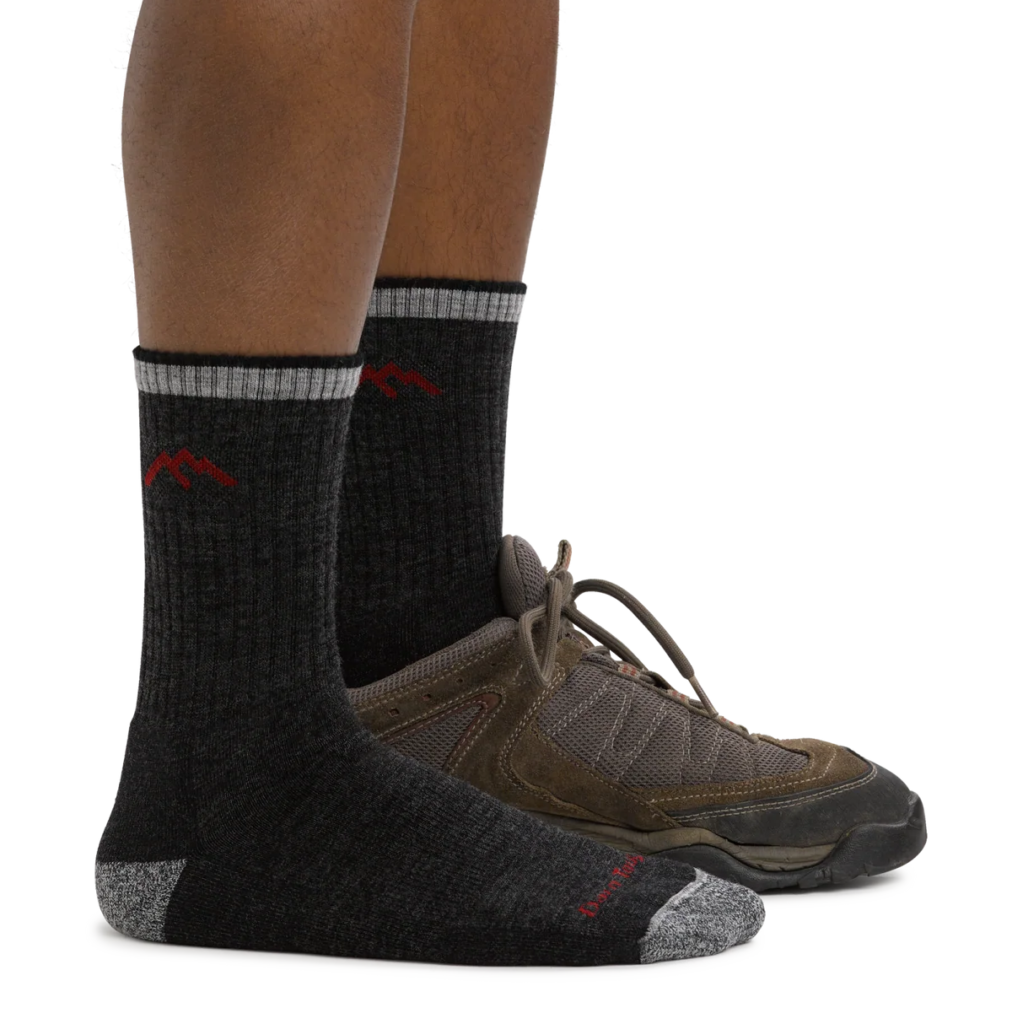
Photo Credit: Darn Tough Vermont
Hiker Micro Crew Midweight Cushion Socks
A balanced hiking sock built for long wear and a consistent fit. Reinforced heel and toe reduce failure over time, while targeted cushioning absorbs impact without adding bulk.
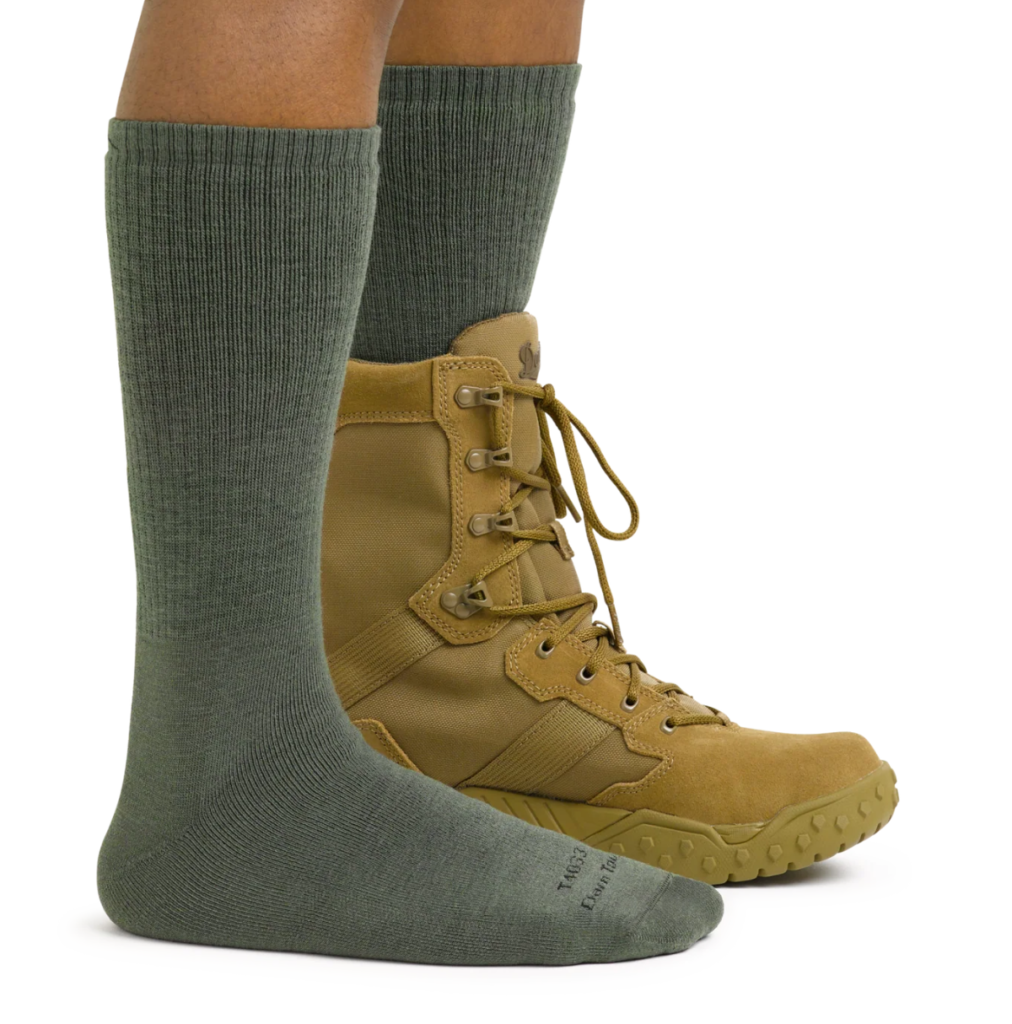
Photo Credit: Darn Tough Vermont
Tactical Boot Full Cushion Sock
Designed for extended wear in demanding conditions. Dense cushioning reduces fatigue, while a tight, structured knit holds its shape through long hours of use.
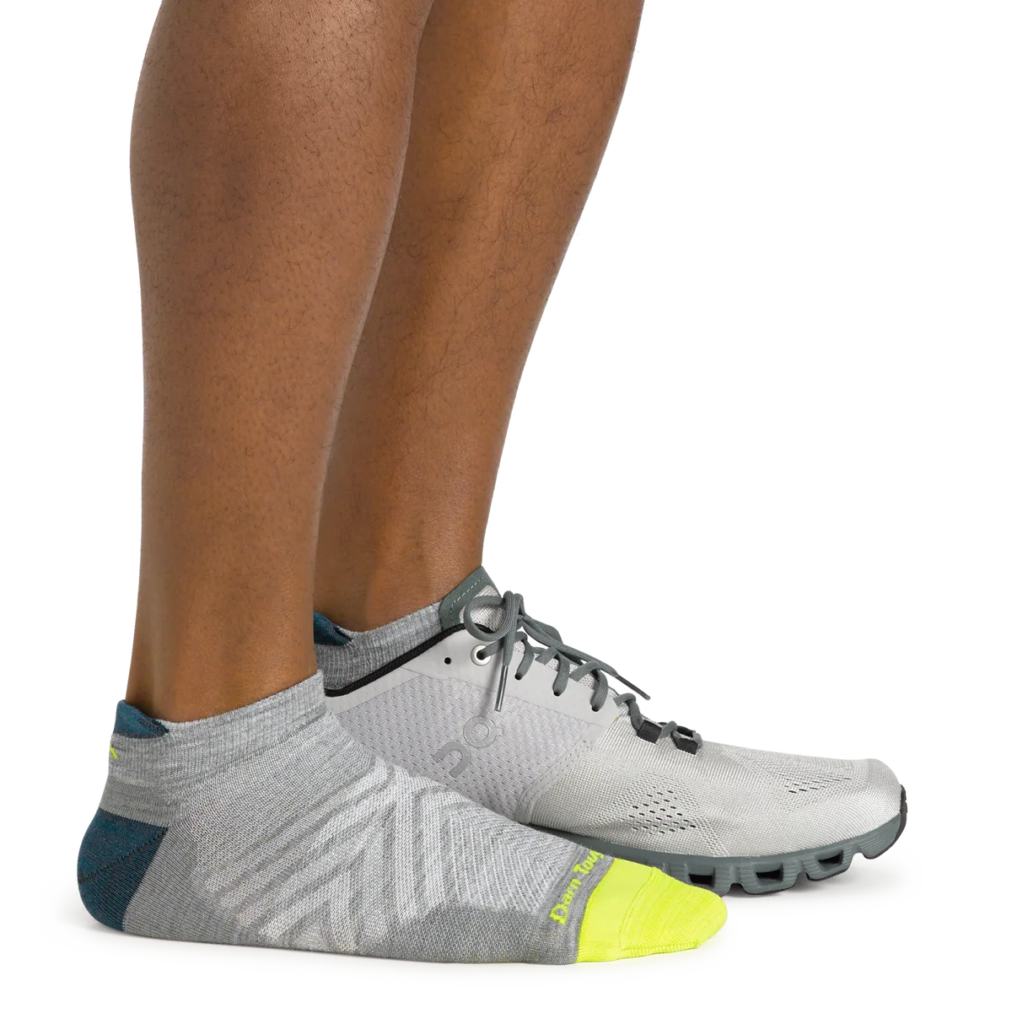
Photo Credit: Darn Tough Vermont
Run No Show Tab Ultra-Lightweight
A minimal performance sock built for movement. The ultralight knit reduces friction, while a heel tab keeps it in place through repeated impact.
Reflection
A Promise That Includes the End
A guarantee is often seen as reassurance before a purchase. In this case, it serves a different role. It acknowledges that failure is part of the lifecycle of any product and chooses to stand behind it anyway.
That shift changes how the product is understood. It is no longer just an object, but part of an ongoing relationship between maker and user. Each pair carries both the effort of its construction and the promise that comes with it.
Responsibility, in this context, is not about preventing failure entirely. It is about what happens when failure eventually arrives
Read More American Made Stories
-
Red Wing: The Boot on the Beam
Some things are built to wear in, not wear out. The ground gives nothing back in winter. It stiffens leather, seeps through seams, and turns every step into something you feel by the end of the day. Out there, a boot isn’t an accessory. It’s the difference between finishing the work or stopping early. Before…
-
Lodge Cast Iron: Cast in Continuation
Some things are made to last because the people who make them choose not to stop. The skillet doesn’t change much once it’s made. It holds heat, distributes it slowly, and responds the same way each time it’s used. What changes is everything around it—the ingredients, the hands that lift it, the kitchens it passes…
-
Leatherman: Built from a Breakdown
Every tool begins as a problem that refuses to stay unsolved. The car didn’t fail all at once. It unraveled in pieces—loose bolts, slipping components, small mechanical issues that appeared without warning and refused to resolve themselves. Each one was manageable in isolation, but only if you had the means to address it when it…
Get More American Made Stories in Your Inbox
Occasional stories about American makers, products, and the people behind them. No spam, just good stories.