

Lodge Cast Iron
Cast in Continuation
After a fire nearly ended it, a Tennessee foundry rebuilt and continued making cookware designed to outlast the people who use it.
Food & Cookware | 5 Min Read
Photo Credit: Lodge Cast Iron
Some things are made to last because the people who make them choose not to stop.
The skillet doesn’t change much once it’s made. It holds heat, distributes it slowly, and responds the same way each time it’s used. What changes is everything around it—the ingredients, the hands that lift it, the kitchens it passes through over time.
In some homes, it moves quietly from one generation to the next. The surface darkens, the edges smooth, and the seasoning builds with use. It carries marks that aren’t defects, but evidence—of meals cooked, of routines repeated, of something used often enough to become familiar.
Persistence & Process
Refining What Was Already Known
Cast iron cookware is simple in concept, but demanding in execution. Molten iron is poured into sand molds, cooled, cleaned, and finished before being prepared for use. Each step must be repeated with care, as small variations can affect how the final product performs.
Over time, the process has been refined rather than reinvented. Improvements have focused on control—more consistent molding, smoother finishing, and the introduction of pre-seasoning to make the cookware easier to use from the start. These changes did not alter the nature of the product, but they made it more dependable.
The work itself remains grounded in repetition. Each piece follows the same path, shaped not by a single breakthrough, but by a process that has been adjusted and reinforced over decades.
How It’s Made
Poured and Finished in the Same Place
In South Pittsburg, Tennessee, cast iron is still produced through a process that begins with molten metal and ends with a finished piece ready for use. Sand molds form the shape, capturing the details that determine how the cookware will perform. Once cooled, each piece is cleaned, inspected, and prepared for seasoning.
Seasoning is applied by coating the surface with oil and baking it at high temperatures, creating a layer that protects the iron and improves with use. It is not a coating that sits on top, but a surface that develops over time.
Keeping this process in one place allows for continuity. Materials, methods, and oversight remain connected, making it easier to maintain consistency from one piece to the next.
Trust Earned Through Use
Used Long Enough to Be Known
Cast iron proves itself gradually. It is placed over open flame, inside ovens, and on stovetops, expected to perform without adjustment. It is used repeatedly, often without special care, and judged by how it holds up over time.
What stands out is not a single moment of performance, but the absence of failure. A skillet that heats evenly after years of use. A surface that improves rather than degrades. A piece that continues to function as expected, even as it ages.
That consistency builds familiarity. The cookware becomes something that does not need to be reconsidered, only used.
Cultural Impact
Where the Skillet Becomes Tradition
In South Pittsburg, Tennessee, the skillet extends beyond the kitchen into the rhythms of the community. Each year, the town hosts the National Cornbread Festival, drawing thousands of visitors who gather around a dish closely tied to cast iron cooking. What is being celebrated is not just the food itself, but the way it is made and shared.
Cornbread, baked in cast iron, carries a texture and flavor that has become closely associated with Southern cooking. The skillet is part of that process in a way that feels natural rather than emphasized. It is simply the tool that works, used often enough to become expected.
Over time, that connection has grown into something larger. The product, the place, and the tradition reinforce one another, creating a relationship that is both practical and cultural. What begins as cookware becomes part of a shared experience.
Gallery
National Cornbread Festival
Each spring in South Pittsburg, the National Cornbread Festival brings the community together to celebrate cast iron cooking, local tradition, and the town’s long connection to the skillet.

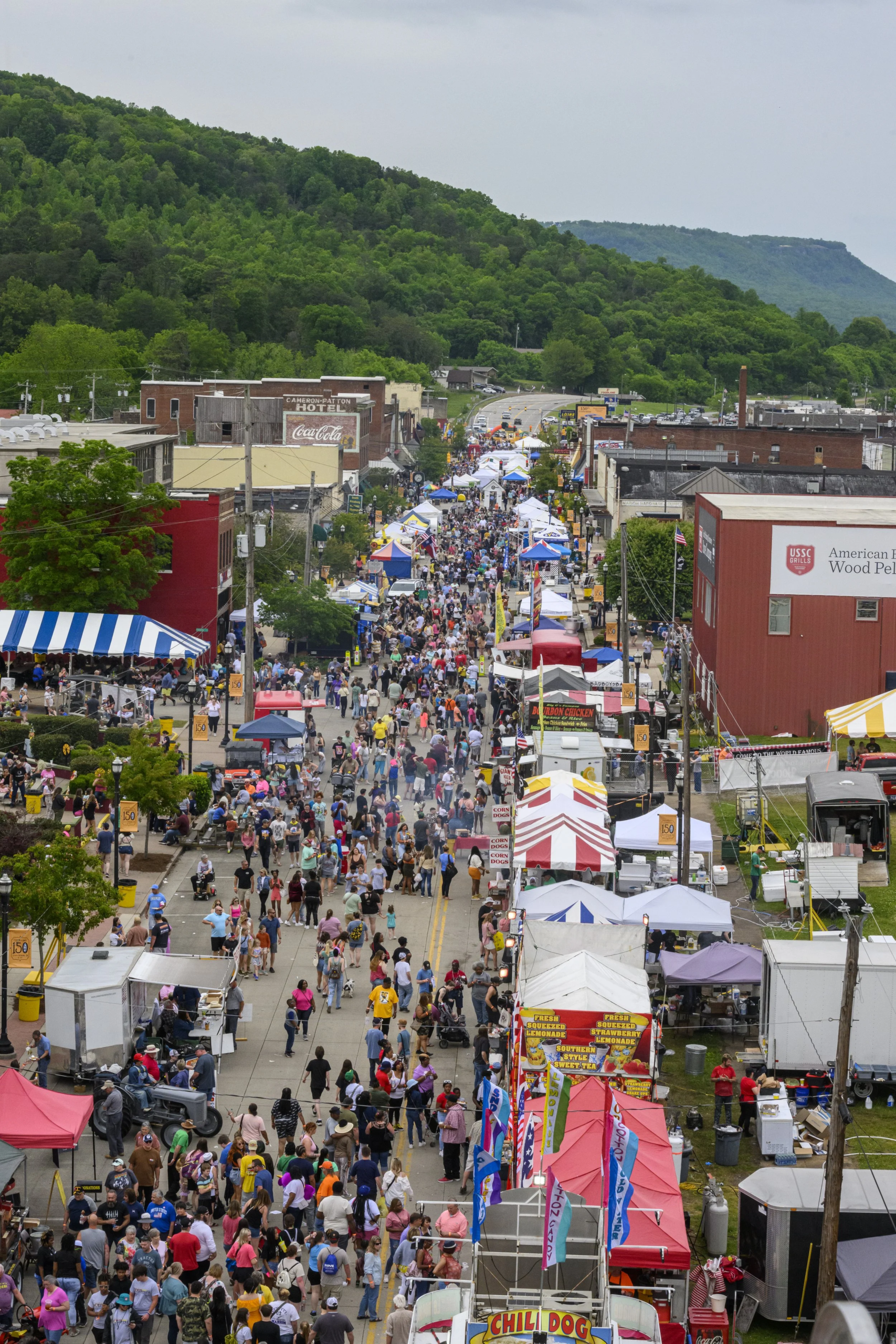
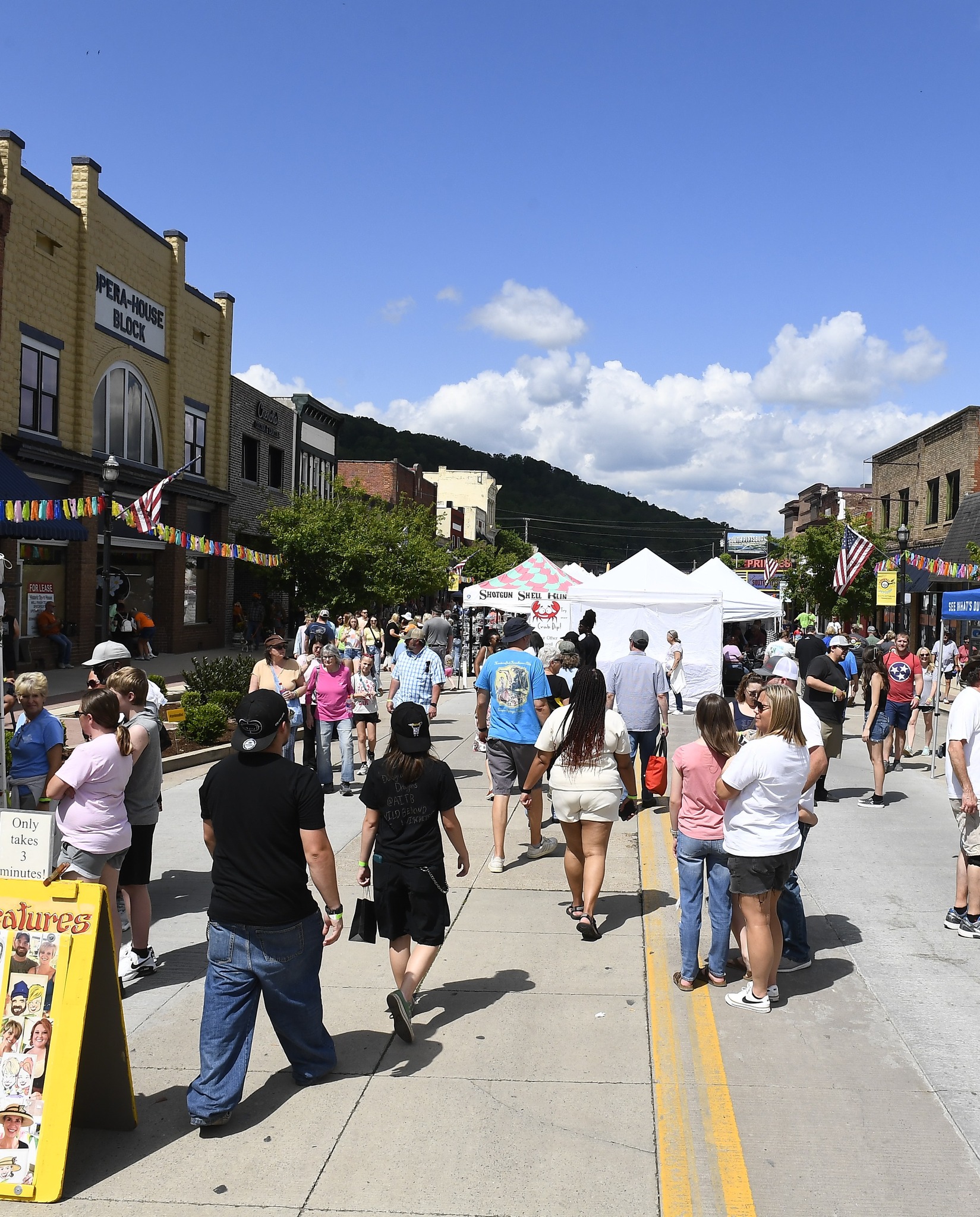

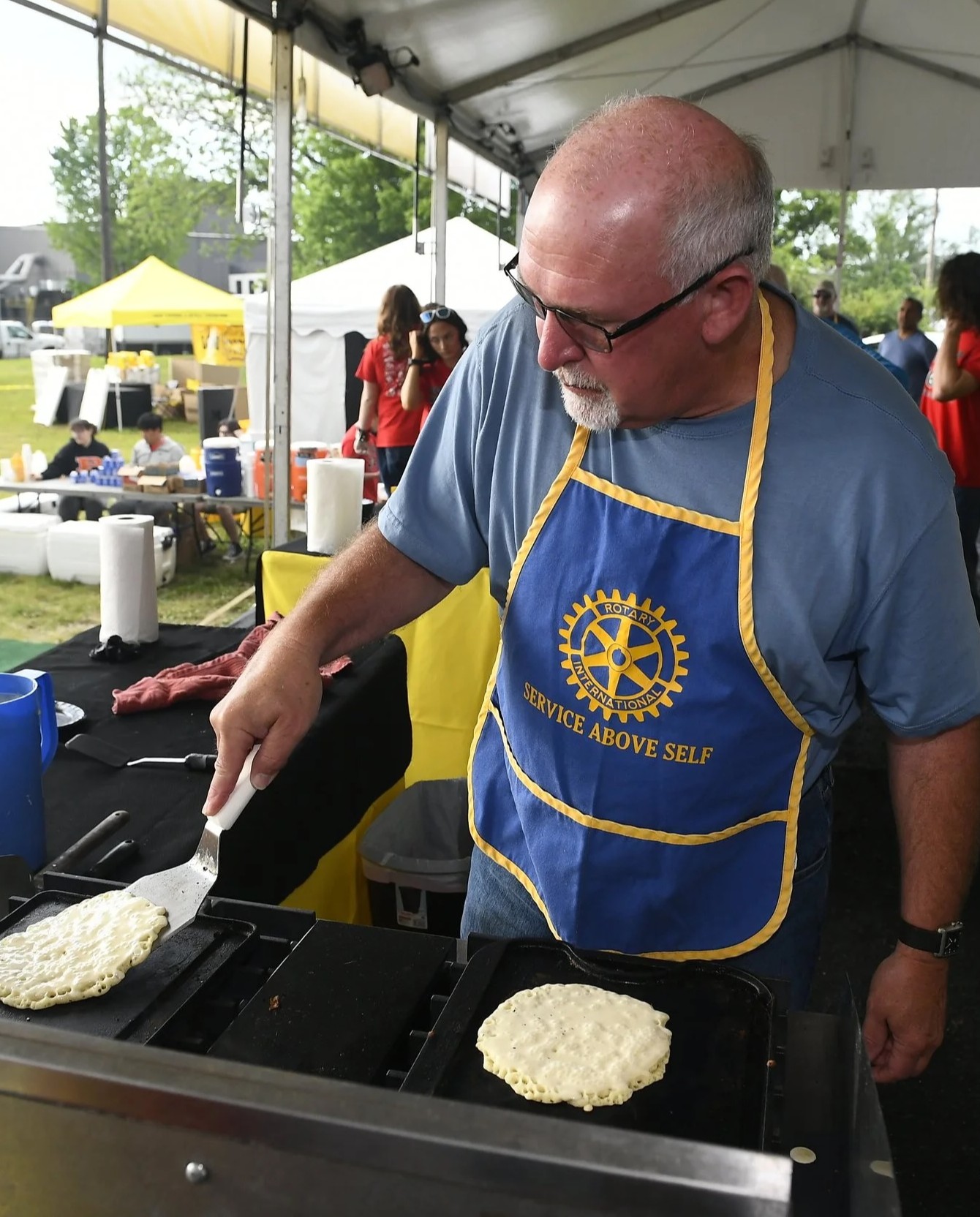
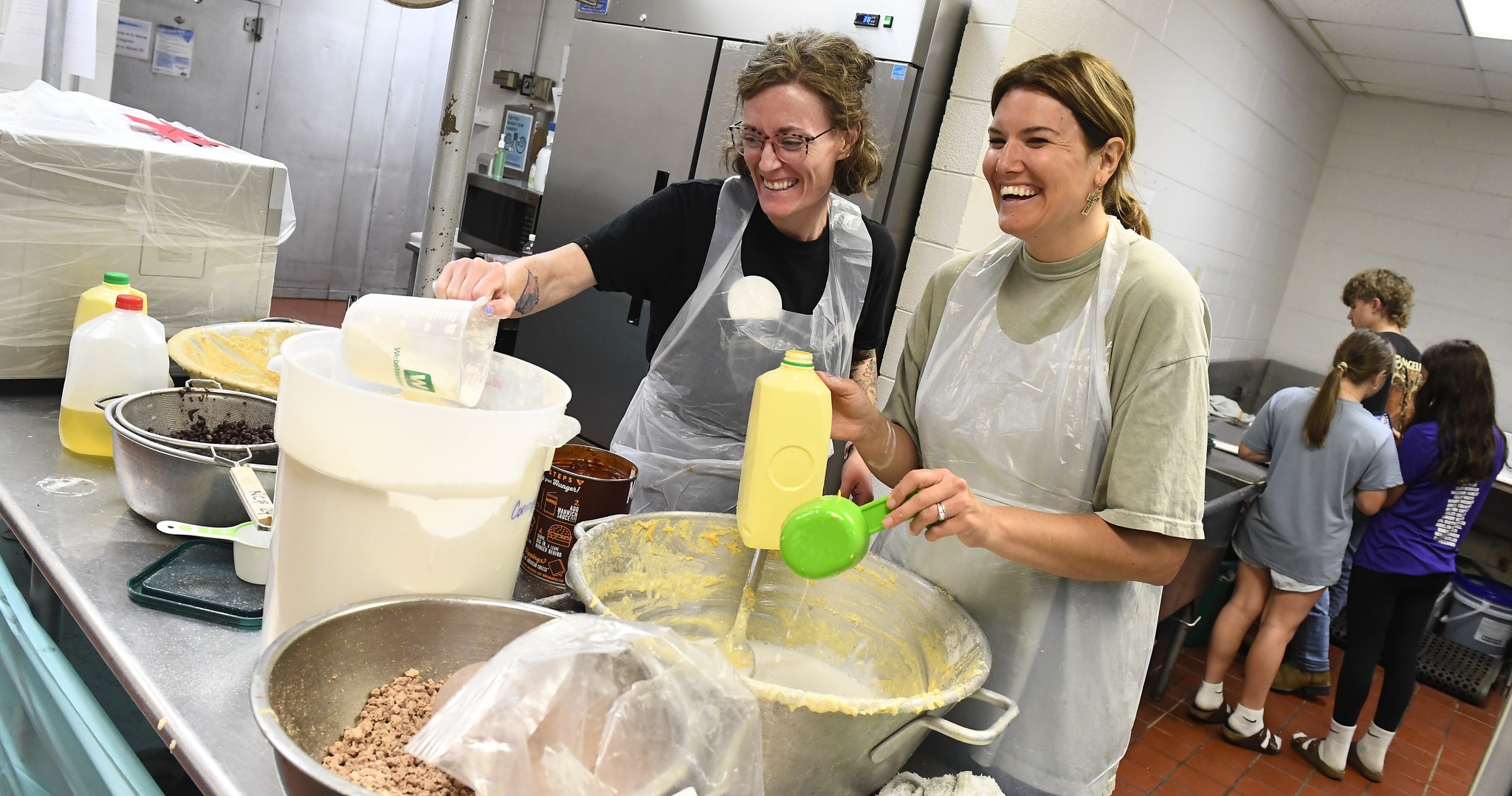
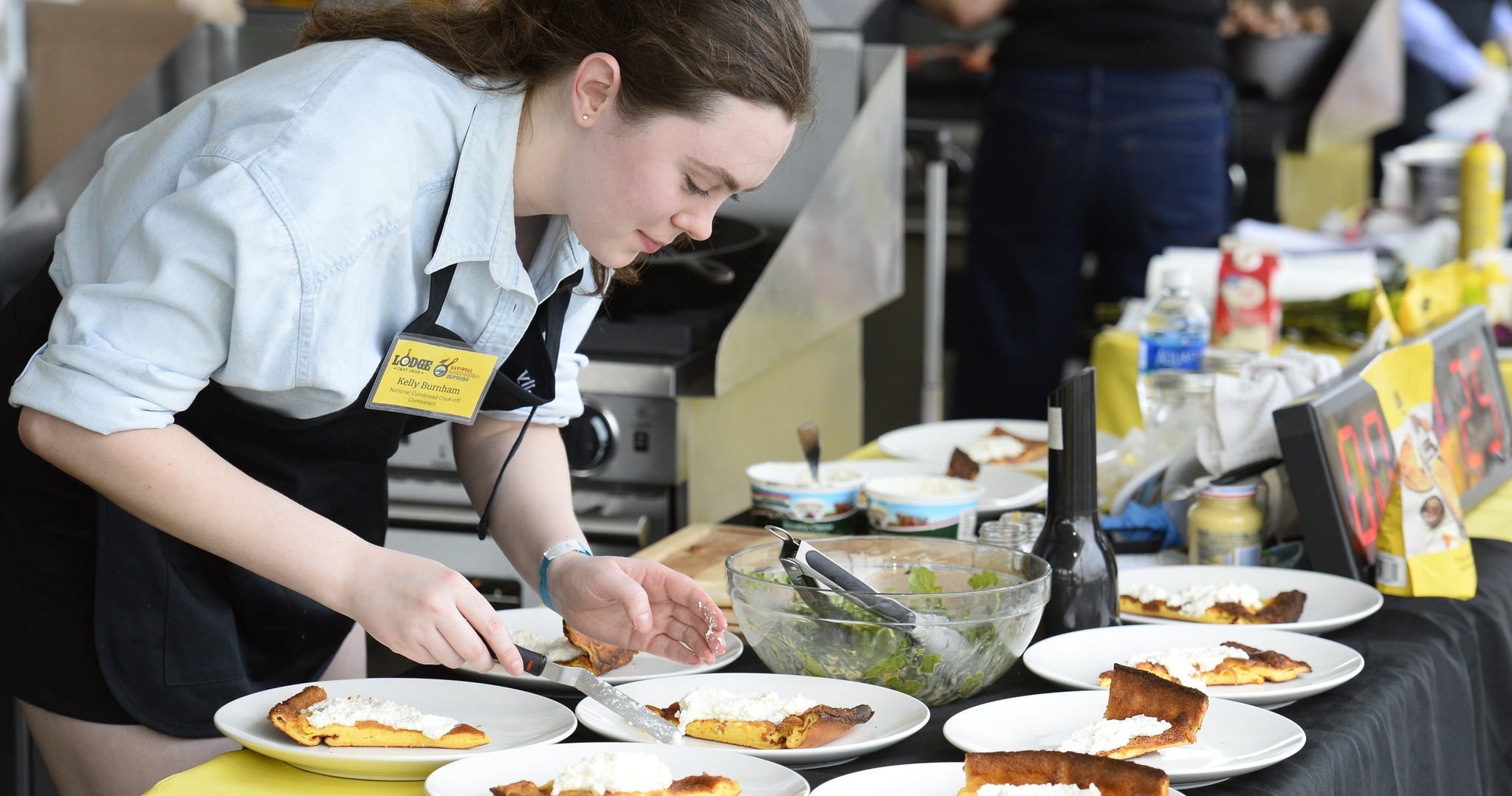
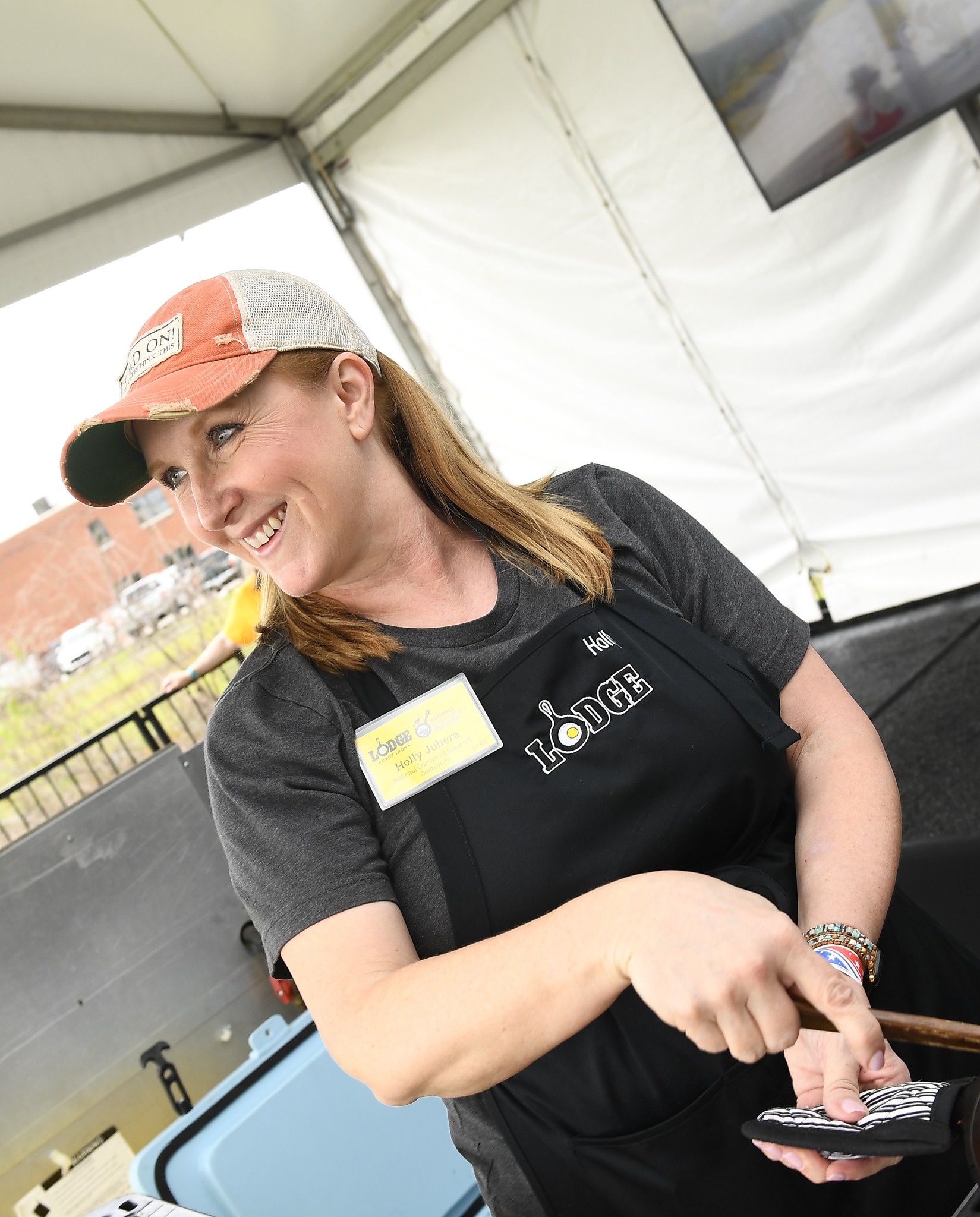
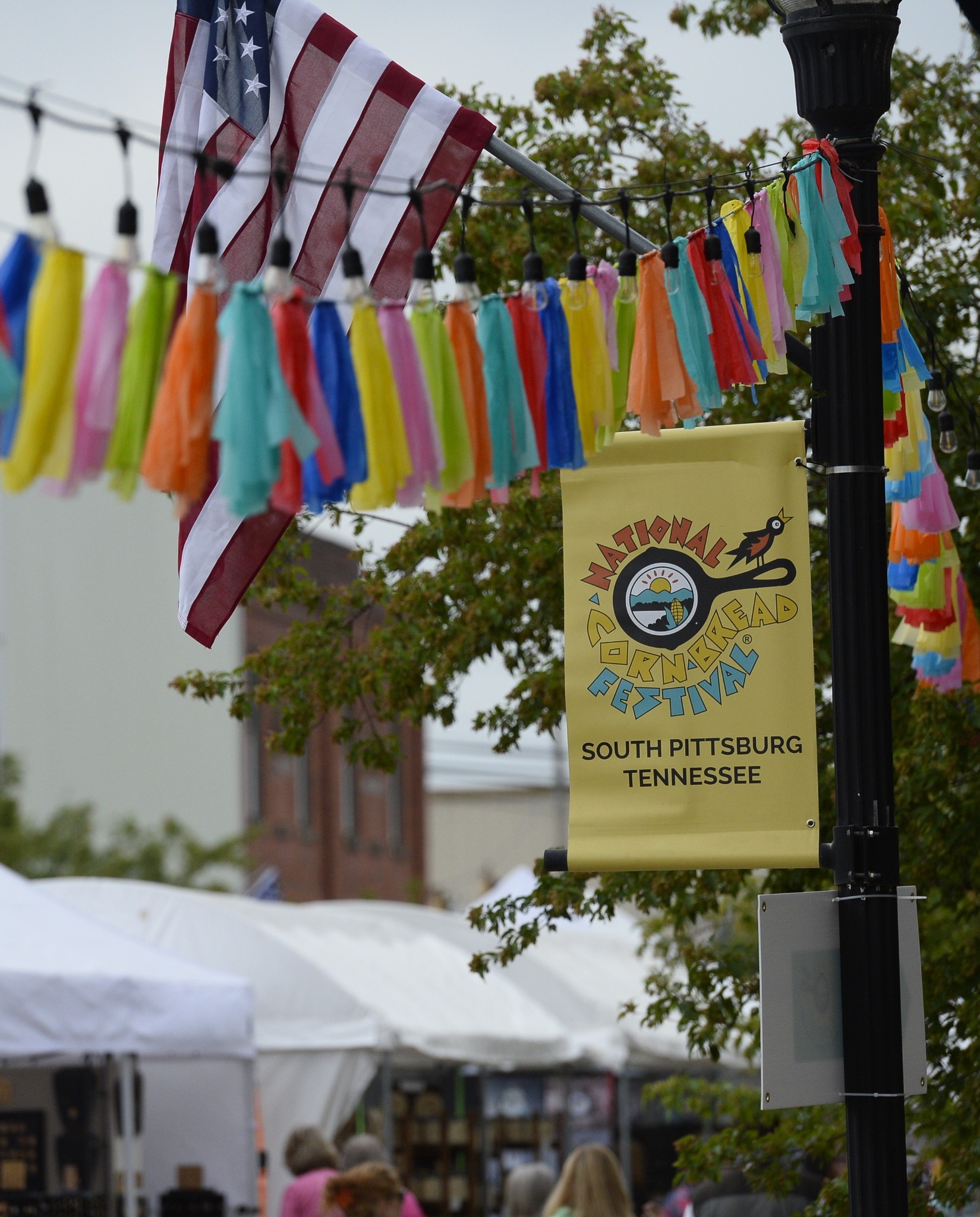
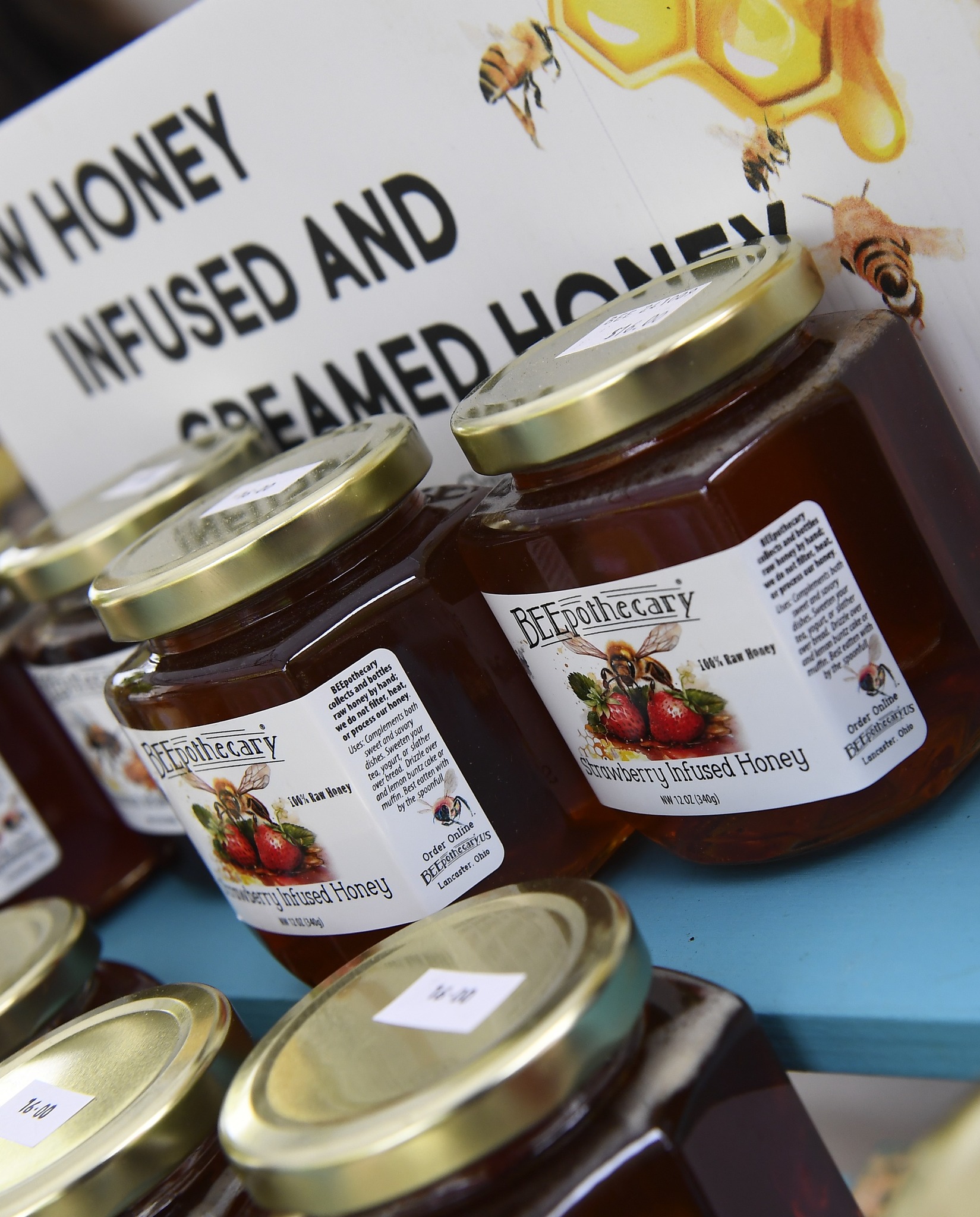
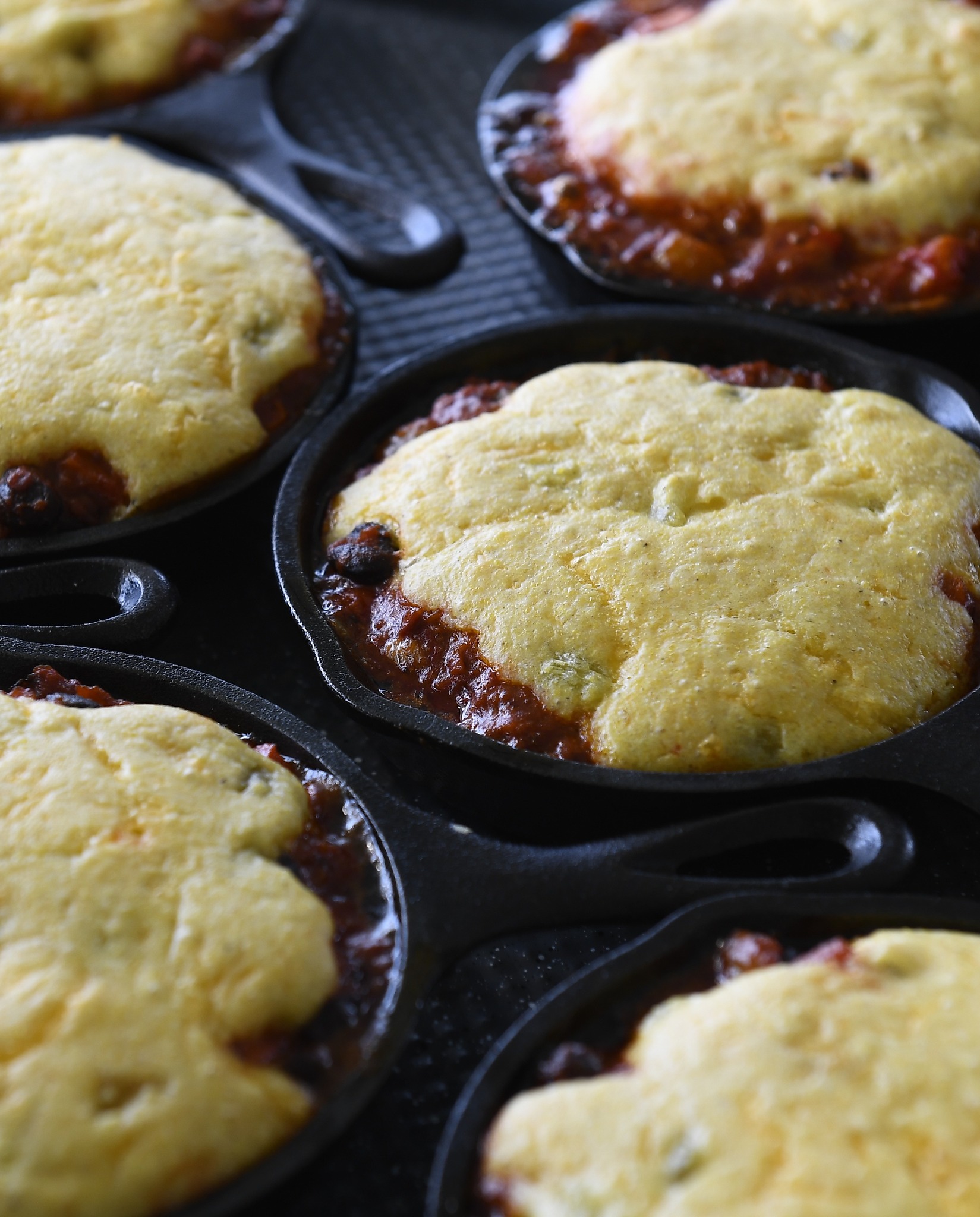
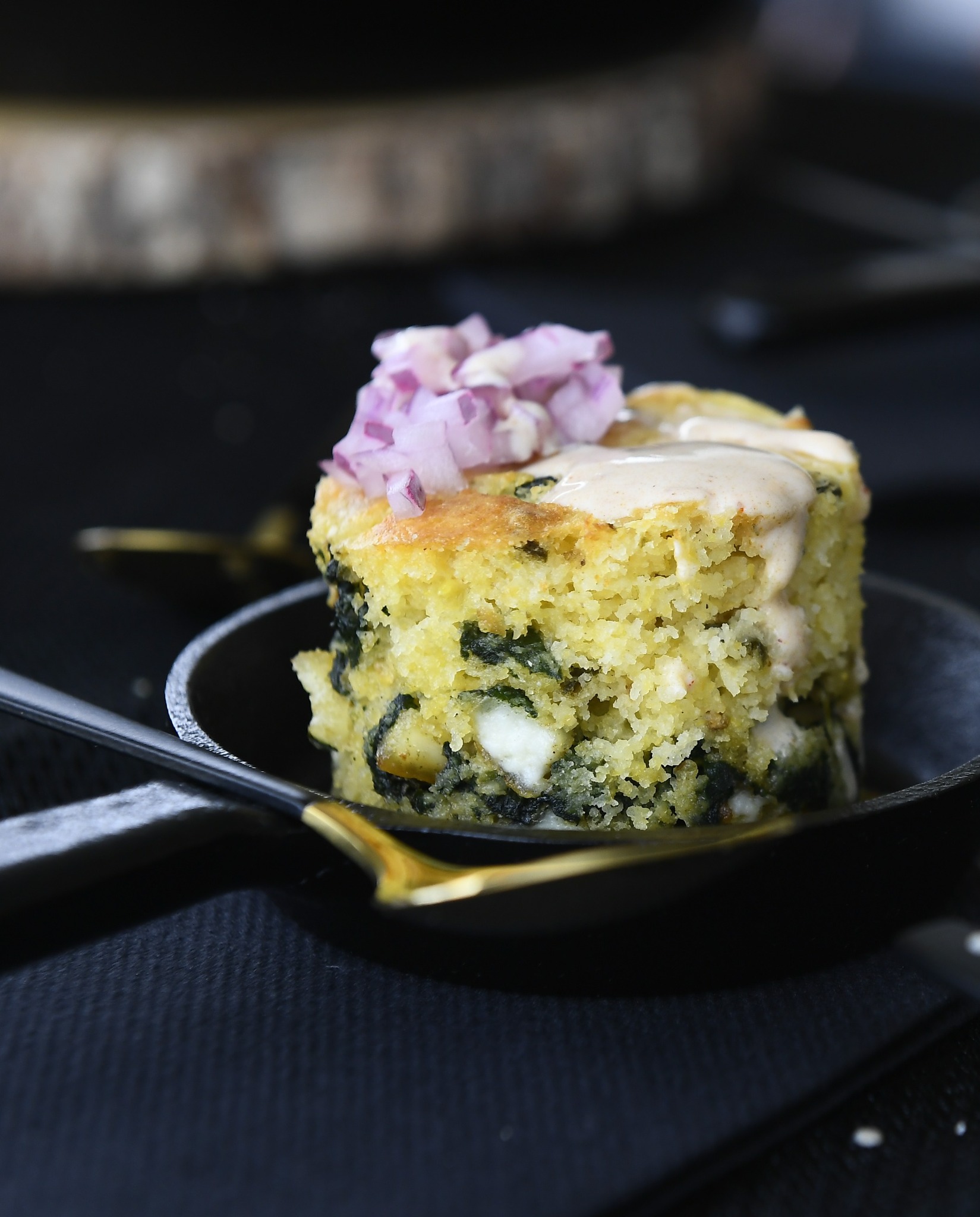
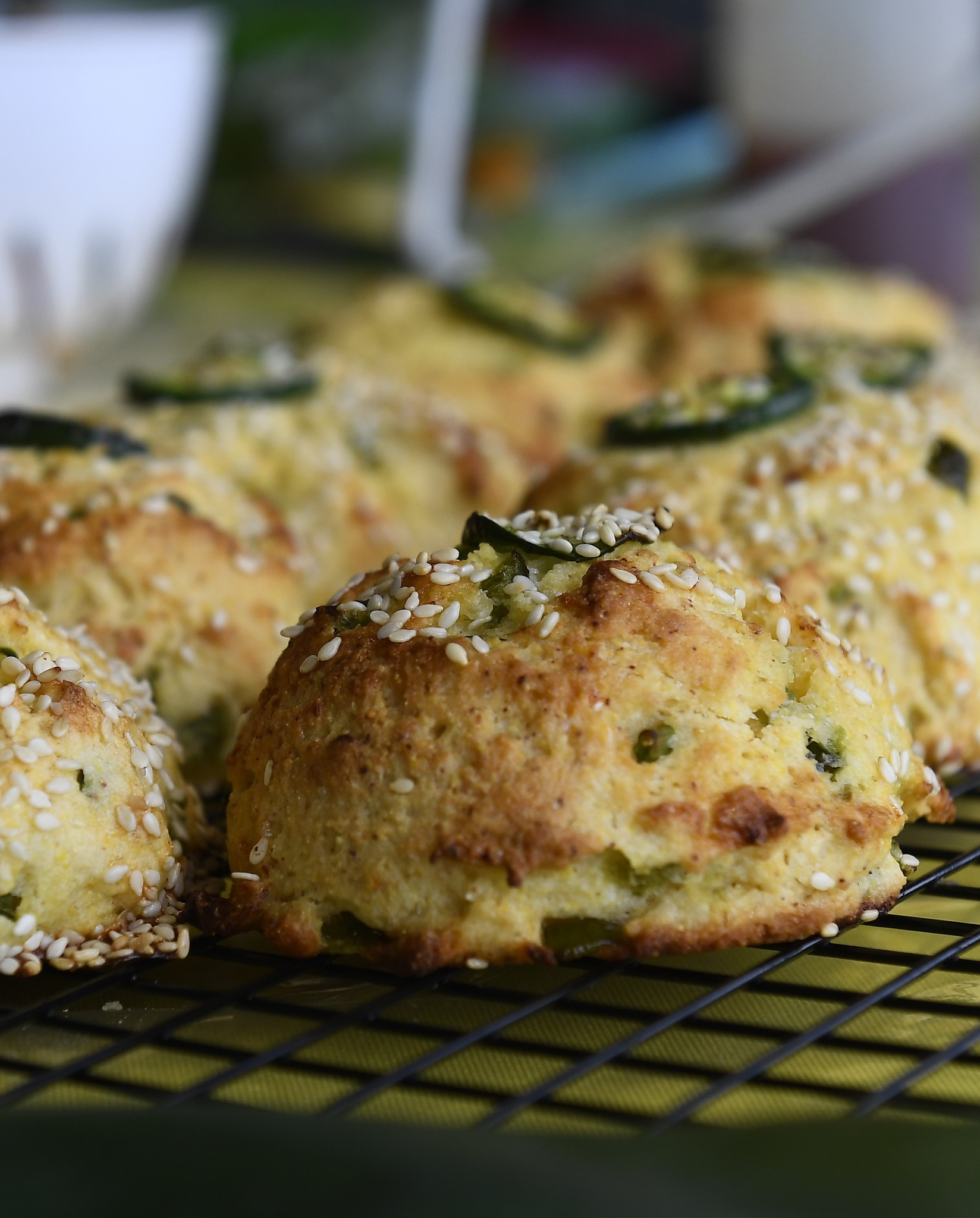
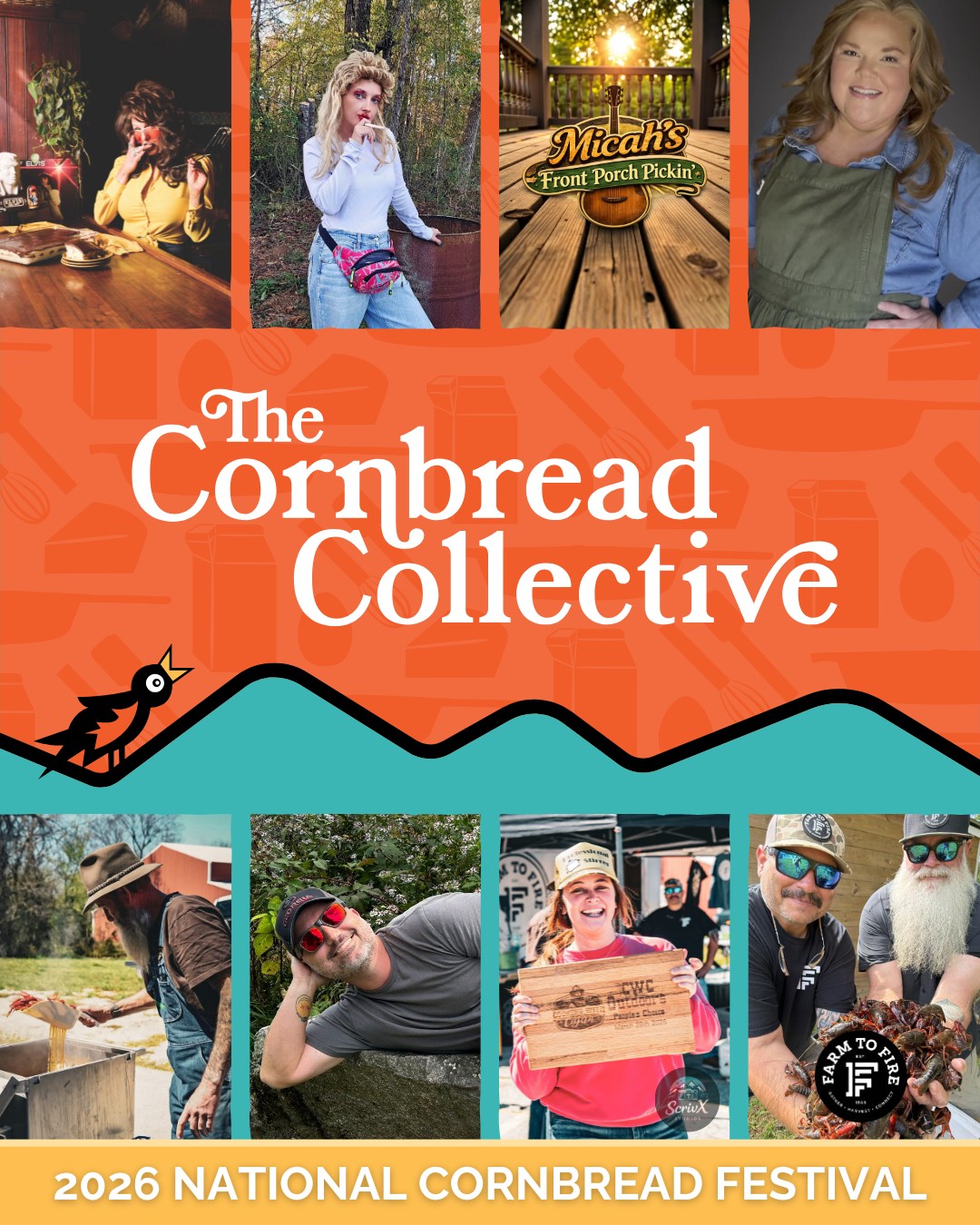
Photo Credits: National Cornbread Festival – Facebook.com/NationalCornbreadFestival
We may earn a commission from purchases made through the links below.
Featured American-Made Gear
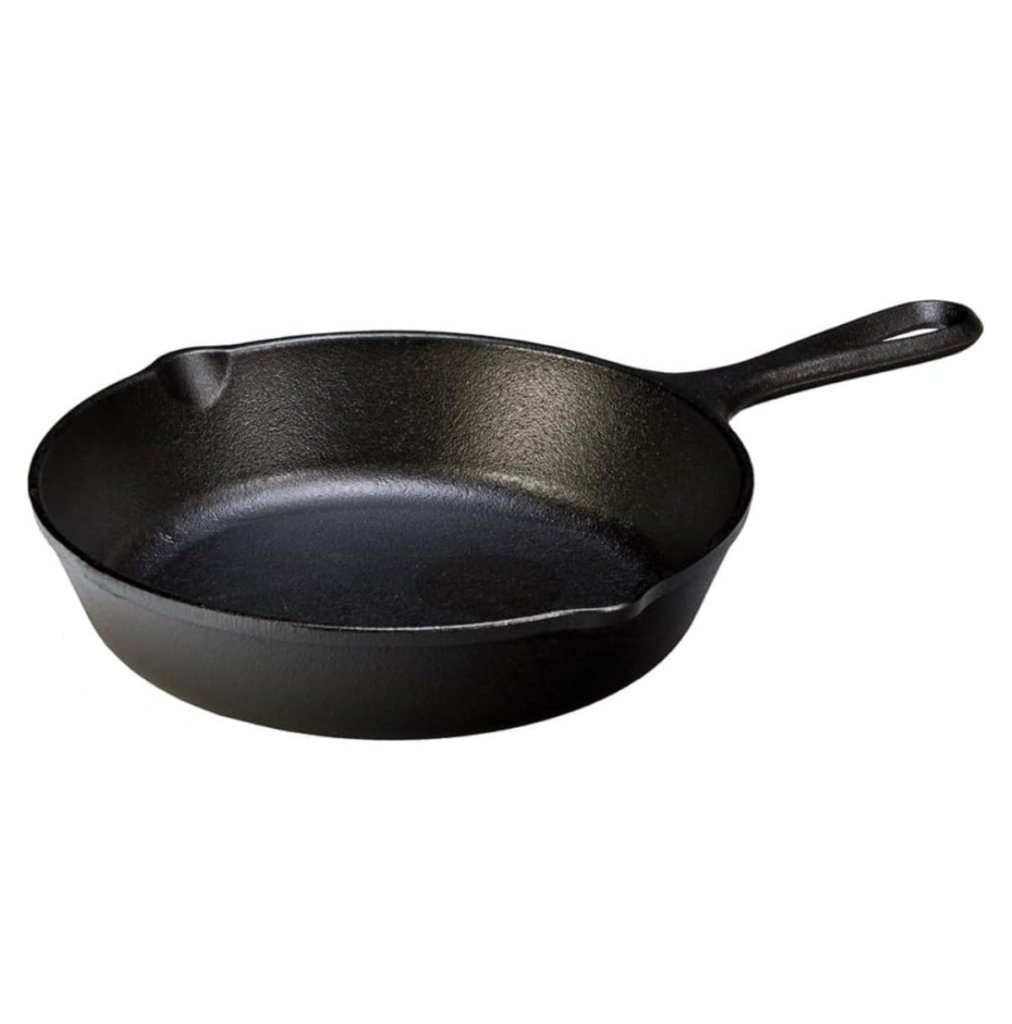
Photo Credit: Lodge
Classic Cast Iron Skillet
Lodge’s signature American-made pan, produced in South Pittsburg and sold pre-seasoned for everyday stovetop, oven, and outdoor cooking. It remains the clearest expression of what the company has done best for generations.
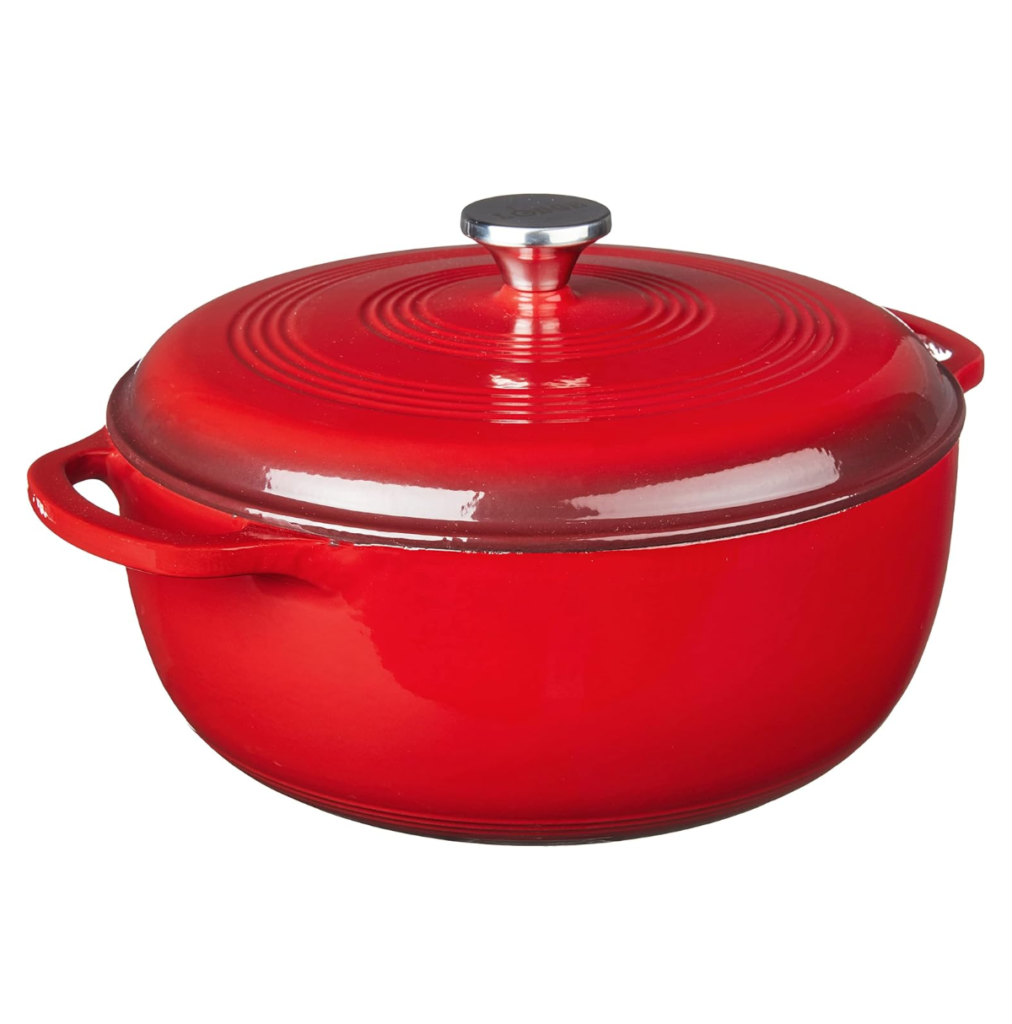
Photo Credit: Lodge
Cast Iron Dutch Oven
A heavier, deeper piece from Lodge’s U.S.-made seasoned cast iron line, suited to braising, baking, frying, and long, steady cooking. It extends the same material logic into a vessel built for slower meals.
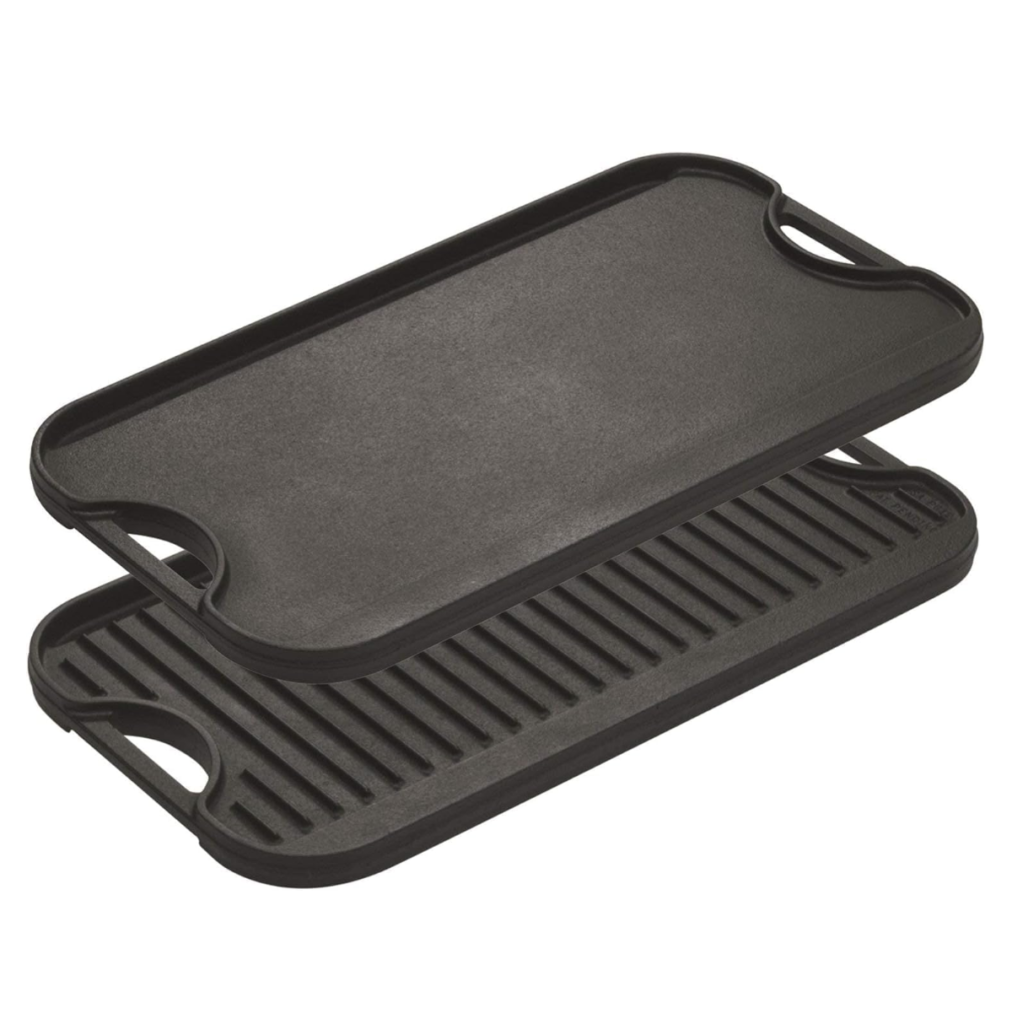
Photo Credit: Lodge
Cast Iron Reversible Grill/Griddle
Made from the same Tennessee cast iron, this piece shows how the company adapted the material to broader modern cooking habits without leaving its core process behind. One side handles flat cooking; the other is designed for grill marks and higher-contact heat.
Reflection
What Lasts Is What Continues
Durability is often understood as resistance to wear, but it can also be understood as continuity. A product that lasts does more than endure—it remains useful across changing conditions and over extended time.
That continuity is shaped by the decisions behind it. Choosing to rebuild, to refine rather than replace, and to keep production grounded in one place all contribute to the outcome. The product reflects those decisions, not just in how it performs, but in what it represents.
In that sense, durability becomes less about material and more about intention.
Read More American Made Stories
-
Red Wing: The Boot on the Beam
Some things are built to wear in, not wear out. The ground gives nothing back in winter. It stiffens leather, seeps through seams, and turns every step into something you feel by the end of the day. Out there, a boot isn’t an accessory. It’s the difference between finishing the work or stopping early. Before…
-
Darn Tough Vermont: The End Is Included
A promise means more when failure is expected and still fully accepted. The socks were failing somewhere between departure and return, though it took time to understand exactly where. On long backpacking trips through Europe in the late 1970s, they would wear thin faster than expected, softening, slipping, and eventually breaking down under miles of…
-
Leatherman: Built from a Breakdown
Every tool begins as a problem that refuses to stay unsolved. The car didn’t fail all at once. It unraveled in pieces—loose bolts, slipping components, small mechanical issues that appeared without warning and refused to resolve themselves. Each one was manageable in isolation, but only if you had the means to address it when it…


Get More American Made Stories in Your Inbox
Occasional stories about American makers, products, and the people behind them. No spam, just good stories.